


CEREGEN HEALTH


(PDN)
PEDIATRIC
PRIVATE DUTY
NURSING
“Caring about others, running the risk of feeling, and leaving an impact on people, brings happiness.”
Harold Kushner


Marian Wright Edelman
“You really can change the world if you care enough.”


“Family is the most important thing in the world.”
Princess Diana
Care centered on your child.
Meaningful connections
Expert attention
At CEREGEN, our focus is personalised pediatric private duty nursing for children with complex medical needs. We bring together skilled nursing, thoughtful attention, and respect for your family’s routines to support your child in the comfort of home.
From feeding tube support to complex respiratory care, our approach centers on your safety, dignity, comfort, and daily well-being.
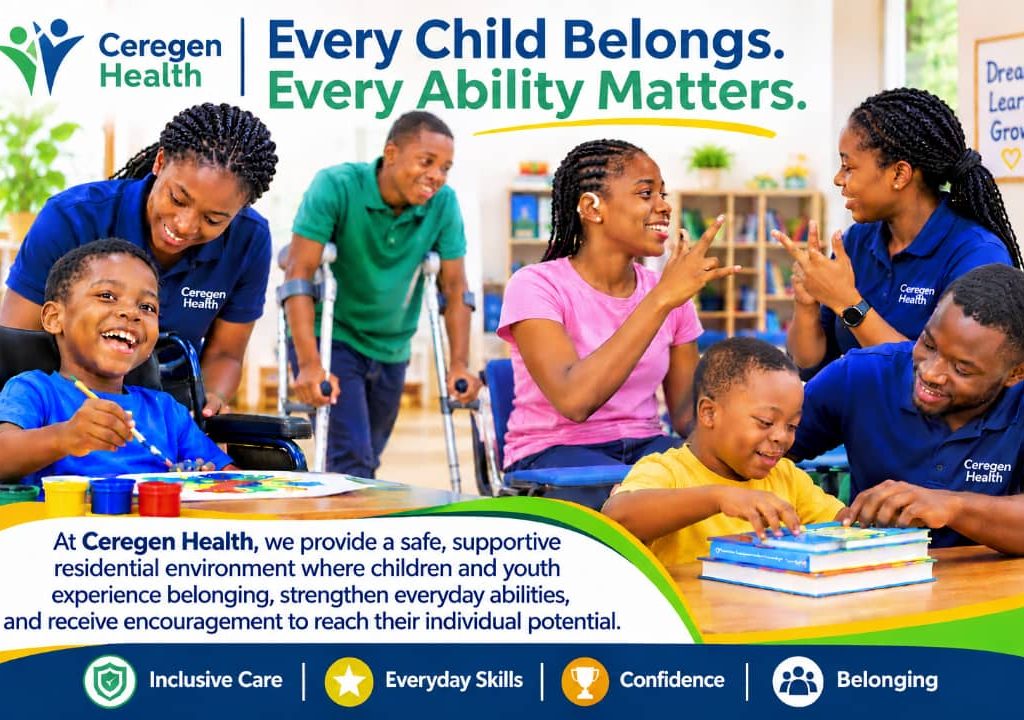
What Is Pediatric Private Duty Nursing?
Pediatric private duty nursing (PDN) provides individualised skilled nursing care, often in extended shifts, for children whose medical needs require ongoing nursing assessment and intervention. Care follows the child’s prescribed treatment plan and may include feeding support, respiratory care, medication administration, monitoring, and other skilled services. The goal is to help children receive appropriate care at home while supporting family life, comfort, and continuity following hospitalization.
Specialized Care for Children With Complex Medical Needs
Each child’s care needs are different. Services are determined through an assessment, provider orders, nursing competencies, and an individualized plan of care.
Feeding Tube Care: G-Buttons and G-Tubes
For children who receive nutrition, fluids, or medications through a gastrostomy tube, careful technique and consistent monitoring matter.
Nursing support may include;
Administering prescribed feedings, fluids, and medications.
Operating feeding pumps and following ordered feeding schedules.
Providing tube-site care and monitoring for skin irritation, leakage, or infection.
Monitoring feeding tolerance and recognizing changes that require attention.
Following prescribed precautions and responding to tube concerns according to the care plan.
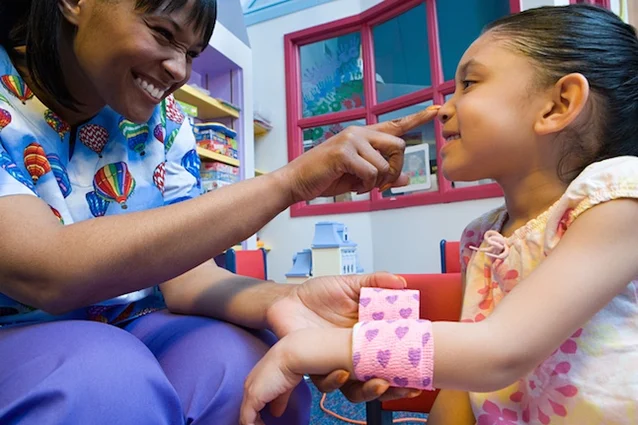
GJ-Tube and J-Tube Care
Children receiving feedings into the small intestine may require specialized feeding routines and close observation. Care may include managing prescribed pump feedings, using the correct tube port, administering medications through the ordered route, and monitoring for discomfort, feeding intolerance, or tube-related concerns
Tracheostomy Care
Children with tracheostomies need attentive airway care and nurses who understand their individual respiratory needs. Support may include prescribed suctioning, tracheostomy-site care, humidification, respiratory assessment, and monitoring secretions and breathing patterns. Preparation for airway emergencies is an essential part of the child's care plan.
Ventilator Support
For children who depend on mechanical ventilation, nursing care requires attention to both the child and the equipment. Support may include monitoring respiratory status, checking prescribed ventilator settings, responding to alarms, observing equipment connections, and following individualized procedures for changes in condition or equipment problems.
Chronic Respiratory Conditions
Children with ongoing respiratory needs may benefit from prescribed oxygen therapy, inhaled medications, respiratory treatments, and monitoring. Our care approach emphasizes recognizing changes in breathing, communicating concerns promptly, and following the child's treatment and escalation plans.
Seizure Disorders and Epilepsy
Individualized seizure care begins with understanding the child's usual presentation and prescribed seizure action plan. Nursing support may include observing and documenting seizure activity, administering scheduled medications, providing prescribed rescue medication when indicated, and responding according to established emergency instructions.
Neurological & Neuromuscular Conditions
Children living with conditions such as cerebral palsy, muscular dystrophy, or other neurological disorders may need support across several areas of daily care. Depending on the care plan, nursing may address respiratory needs, feeding, medication administration, positioning, skin protection, comfort, and recognition of changes from the child's usual condition.
Central Lines and IV Nutrition
Children with central venous access or prescribed parenteral nutrition require specialized care and infection-prevention practices. When included in the child's approved services, support may include ordered line care, infusion administration, site assessment, and monitoring for signs of infection or other complications.
Complex Congenital & Genetic Conditions
Children with congenital heart conditions, genetic disorders, and other complex diagnoses often require coordinated, individualized nursing support. Care may include prescribed monitoring, medications, feeding assistance, and communication with the child's healthcare team to address changing needs.
Safety Is Part of Every Care Decision
Families place extraordinary trust in the people caring for their children We believe that trust must be
supported by careful practice, clear communication, and professional accountability
Our safety priorities include:
Individualized care planning
Care guided by current provider orders, the child's needs, and clearly documented instructions
Early recognition of changes
Attention to changes in breathing, feeding tolerance, alertness, skin condition, comfort, and other signs that may require clinical follow-up
Respectful, attentive care
Protection of each child's dignity, privacy, and comfort throughout every nursing task
Medication safety
Careful attention to medication orders, doses, routes, timing, administration, and documentation
Emergency preparedness
Child-specific response plans, accessible emergency information, and familiarity with prescribed emergency equipment
Infection prevention
Hand hygiene, appropriate protective practices, and proper care of medical devices and supplies
Clear handoffs & documentation
Accurate records and meaningful communication that support continuity between nurses, families, and healthcare providers
Our Nursing Team
Clinical skill with a personal connection.
A great pediatric nurse brings knowledge, sound judgment, patience, and warmth into the home. Our staffing approach prioritizes appropriately licensed nurses whose training and demonstrated competencies match the child’s assigned care needs. We value nurses who communicate respectfully, remain attentive, document carefully, and understand the professional responsibility of working in a family’s personal space.
We look for people who:
- Recognize the importance of both clinical details and small changes
- Follow care plans and communicate concerns promptly
- Treat children with kindness, patience, and dignity
- Listen to parents and respect their knowledge of their child
- Maintain professional boundaries and protect confidentiality
- Take responsibility for dependable, professional conduct
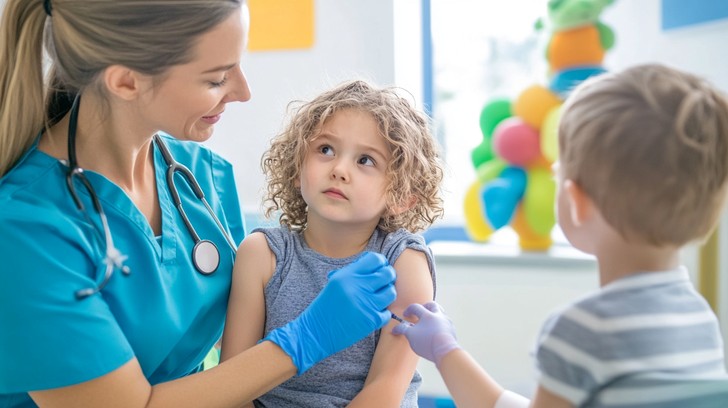

LET'S TALK ABOUT YOUR CHILD'S CARE
Finding nursing support is an important decision Start with a conversation about your child, your family, and the care you need
CEREGEN Pediatric Private Duty Nursing.
Skilled hands. Compassionate hearts. Your child at the center.

We are passionate about the elderly. It is not business as usual.
Contact
- 8118 Fry Rd, Suite 701 Cypress, TX 77433
- info@itsceregenhealth.com
- +1(346)-3323-220
© Ceregen Health, 2026. All Rights Reserved.